
The impact of gambling on mental well-being understanding the psychological effects
The Psychological Effects of Gambling
Gambling can lead to a range of psychological effects, both positive and negative. For many individuals, the thrill of gambling can create a temporary boost in mood and excitement, often referred to as the “high” of winning. This euphoric feeling can lead players to seek out gambling as a form of entertainment and stress relief. As you explore this exciting realm, you might come across a list of new casinos that offer a variety of experiences. However, the psychological impact can shift dramatically when losses occur, leading to feelings of frustration, guilt, and anxiety. Understanding these contrasting effects is essential for recognizing the broader implications of gambling on mental health.
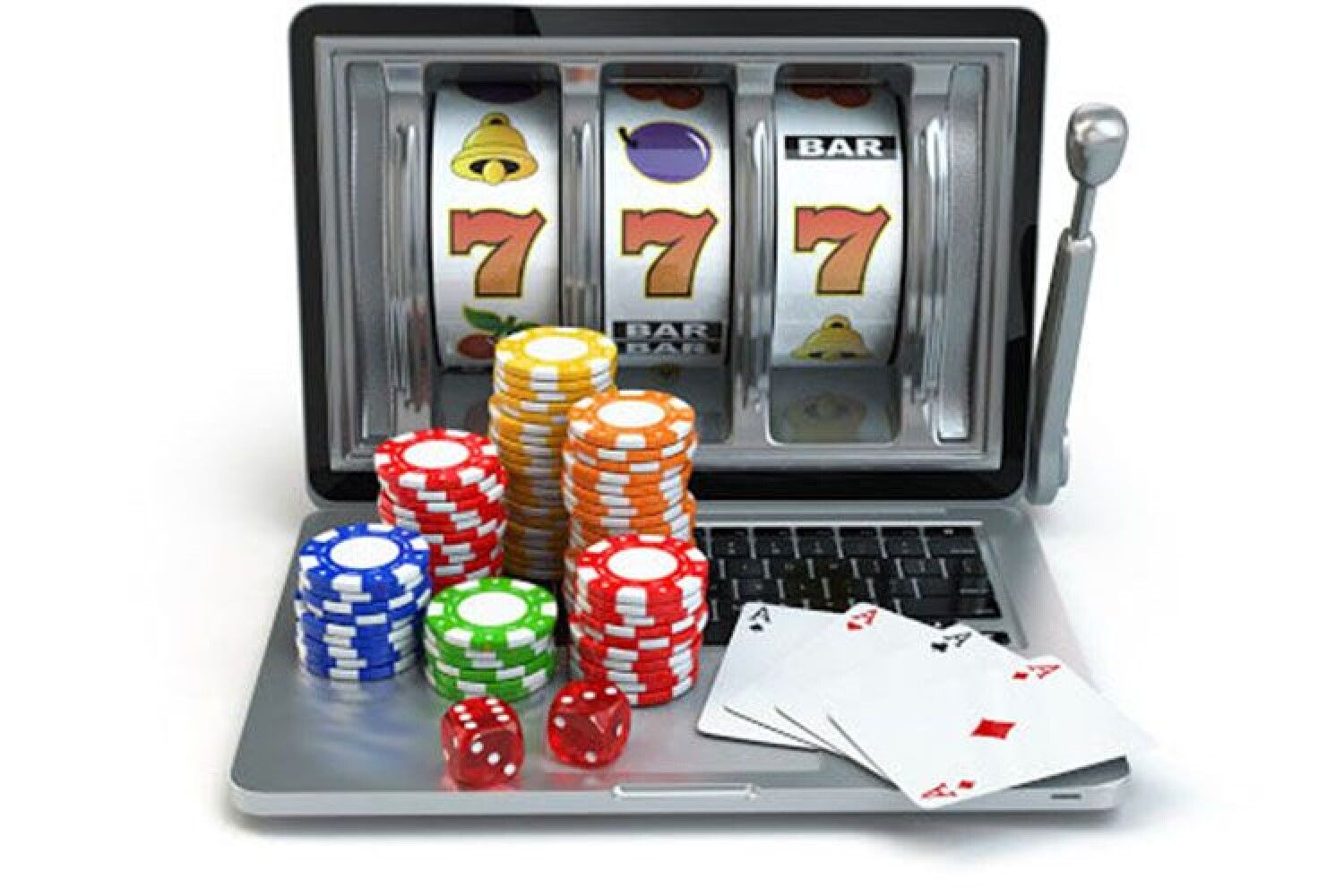
The risk of developing gambling-related problems is heightened when individuals rely on gambling as a coping mechanism for stress or emotional distress. This dependency can spiral into more severe mental health issues, including depression and anxiety disorders. The emotional rollercoaster associated with gambling can contribute to a cycle of addiction, where the desire to regain lost money leads to even more gambling, further exacerbating psychological distress.
The Influence of Cultural Attitudes
Cultural perceptions of gambling play a crucial role in shaping individuals’ attitudes towards it. In some cultures, gambling is viewed as a social activity, while in others, it is considered taboo. These cultural influences can significantly affect how individuals approach gambling and its associated risks. For instance, in societies where gambling is normalized, individuals may feel less stigma and more encouragement to partake, potentially leading to higher rates of gambling-related issues.
Moreover, cultural narratives surrounding luck and fate can impact how gamblers perceive their experiences. In cultures where winning is attributed to skill or destiny, individuals may take on a more fatalistic view of their losses, impacting their mental well-being. Understanding these cultural influences can help tailor interventions that address specific community beliefs and practices related to gambling.
Gambling Addiction and Mental Health Disorders
Gambling addiction is recognized as a mental health disorder that can devastate individuals and families alike. Those struggling with this addiction may experience an array of psychological symptoms, such as irritability, mood swings, and a persistent preoccupation with gambling. This condition not only affects the gambler but also extends to their relationships and social networks, often leading to isolation and strained connections with loved ones.
The relationship between gambling addiction and other mental health disorders is complex. Many individuals facing gambling addiction also suffer from co-occurring conditions such as anxiety, depression, or substance abuse. This interplay can complicate treatment and recovery, as the underlying psychological issues must also be addressed for effective healing. Understanding this dual relationship is vital for developing comprehensive treatment plans that encompass both gambling addiction and related mental health disorders.
Strategies for Promoting Mental Well-Being
Addressing the impact of gambling on mental well-being requires proactive strategies that promote healthy behaviors. One effective approach involves fostering awareness about the risks associated with gambling, particularly in high-risk populations. Educational programs can empower individuals with information about responsible gambling practices, helping them make informed choices and recognize warning signs of problem gambling.
Additionally, providing access to support services, such as counseling and peer support groups, can significantly aid those struggling with gambling addiction. These resources create a safe environment for individuals to share their experiences, reducing feelings of isolation and stigma. By promoting mental well-being through education and support, communities can mitigate the adverse effects of gambling and encourage healthier coping mechanisms.

Further Insights and Resources
For individuals seeking further insights into the psychological effects of gambling and how to maintain mental well-being, various resources are available. Online platforms and community organizations offer valuable information, support services, and forums for discussing experiences related to gambling. These resources can help individuals navigate their gambling habits and promote healthier lifestyles.
Ultimately, understanding the impact of gambling on mental well-being is essential for fostering a healthier relationship with this activity. With the right support and education, individuals can enjoy gambling responsibly while prioritizing their mental health. Explore available resources to learn more about effective strategies and community support options for those impacted by gambling.