
The allure of casino games
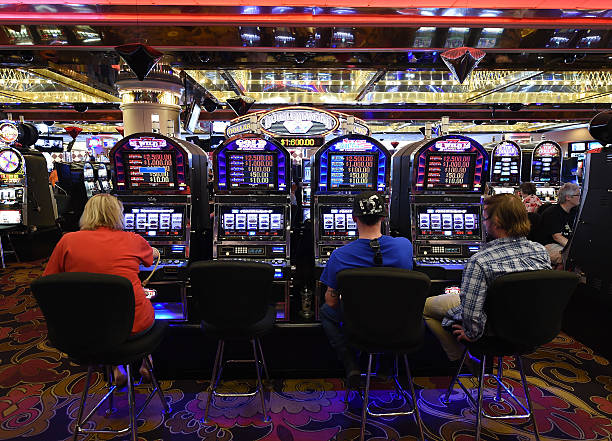
The psychology behind the choice of casino games is deeply rooted in the concept of excitement and thrill. Many players are drawn to the vibrant atmosphere of casinos, where flashing lights, sounds of spinning reels, and the excitement of winning create an immersive experience. This sensory stimulation can trigger the release of dopamine, a neurotransmitter associated with pleasure and reward. As a result, individuals often seek out games that provide the highest level of stimulation, leading them to select high-action games like slot machines or roulette over quieter options. In addition, those exploring options like no deposit online casinos aus can find more opportunities for such thrilling experiences.
Moreover, the social aspects of gambling can heavily influence game choices. Players may gravitate toward games that encourage interaction, such as blackjack or poker, where they can engage with both the dealer and fellow players. This social dynamic not only enhances individual enjoyment but can also reinforce the psychological need for belonging and camaraderie among players. Thus, the allure of casino games is significantly shaped by a combination of sensory experiences and social interactions.
The impact of risk and reward
The fundamental principles of risk and reward play a crucial role in the choices made by gamblers. The thrill of potentially winning a large payout often outweighs the fear of losing money, leading many to favor games with a higher risk factor. For instance, high-stakes poker games attract players willing to risk considerable sums in exchange for the chance of a substantial return. This behavior can be explained through the psychology of loss aversion, where the fear of losing is often countered by the allure of possible gains.
Players are also drawn to games with variable rewards, such as slot machines, which operate on a schedule of reinforcement. This means that winnings are sporadic, creating a sense of uncertainty that can be exciting and addictive. The unpredictability of when a payout will occur can keep players engaged for longer periods, leading to a cycle of continuous play. Understanding this dynamic helps to clarify why certain casino games are more popular among gamblers, based on the perceived balance of risk and potential payoff.
Psychological triggers in game design
Casino game designers often employ psychological triggers to enhance player engagement and foster a desire to keep playing. Elements such as bright colors, catchy sounds, and rewarding animations are strategically implemented to stimulate emotions and maintain interest. These design choices can create a sense of urgency and anticipation, compelling players to continue playing in hopes of triggering the next big win.
In addition to visual and auditory stimuli, game mechanics that provide intermittent rewards can significantly impact player choices. Slot machines, for instance, often incorporate near-miss scenarios, where players feel they were close to winning, thus encouraging them to continue. This psychological trick plays on a player’s desire for achievement and can lead to longer play sessions. Understanding these design techniques sheds light on the complex relationship between game aesthetics and player behavior.
The role of personal preferences and demographics
Individual preferences and demographic factors also significantly influence casino game choices. Age, gender, and personal experiences can all dictate what types of games a player is likely to enjoy. For example, younger players may favor fast-paced, visually stimulating games, while older individuals might lean towards traditional table games that require skill and strategy. This variation highlights the importance of tailoring game offerings to cater to diverse player profiles.
Moreover, personal gambling history and experiences shape game preferences. Players who have previously had success with a specific type of game may be more inclined to return to it, as familiarity can breed comfort and confidence. Additionally, social circles and peer influence can affect game choices, as individuals often gravitate towards what others are playing. This emphasizes the interconnectedness of personal preferences and social dynamics in the context of casino gaming.
Conclusion and insights about the website
Understanding the psychology behind casino game choices reveals the intricate web of emotions, behaviors, and social influences that drive gambling experiences. Each decision a player makes is influenced by a combination of sensory stimulation, the balance of risk and reward, design elements, and personal backgrounds. This multifaceted approach sheds light on why certain games resonate more powerfully with individuals, ultimately shaping their gaming habits.
The website aims to provide insights and information on these psychological aspects, helping to educate players about their choices in the casino landscape. By exploring these dynamics, the platform seeks to promote responsible gaming and a better understanding of the factors that influence gambling behavior. Such knowledge can empower players to make informed decisions while enjoying the thrilling world of casino gaming.